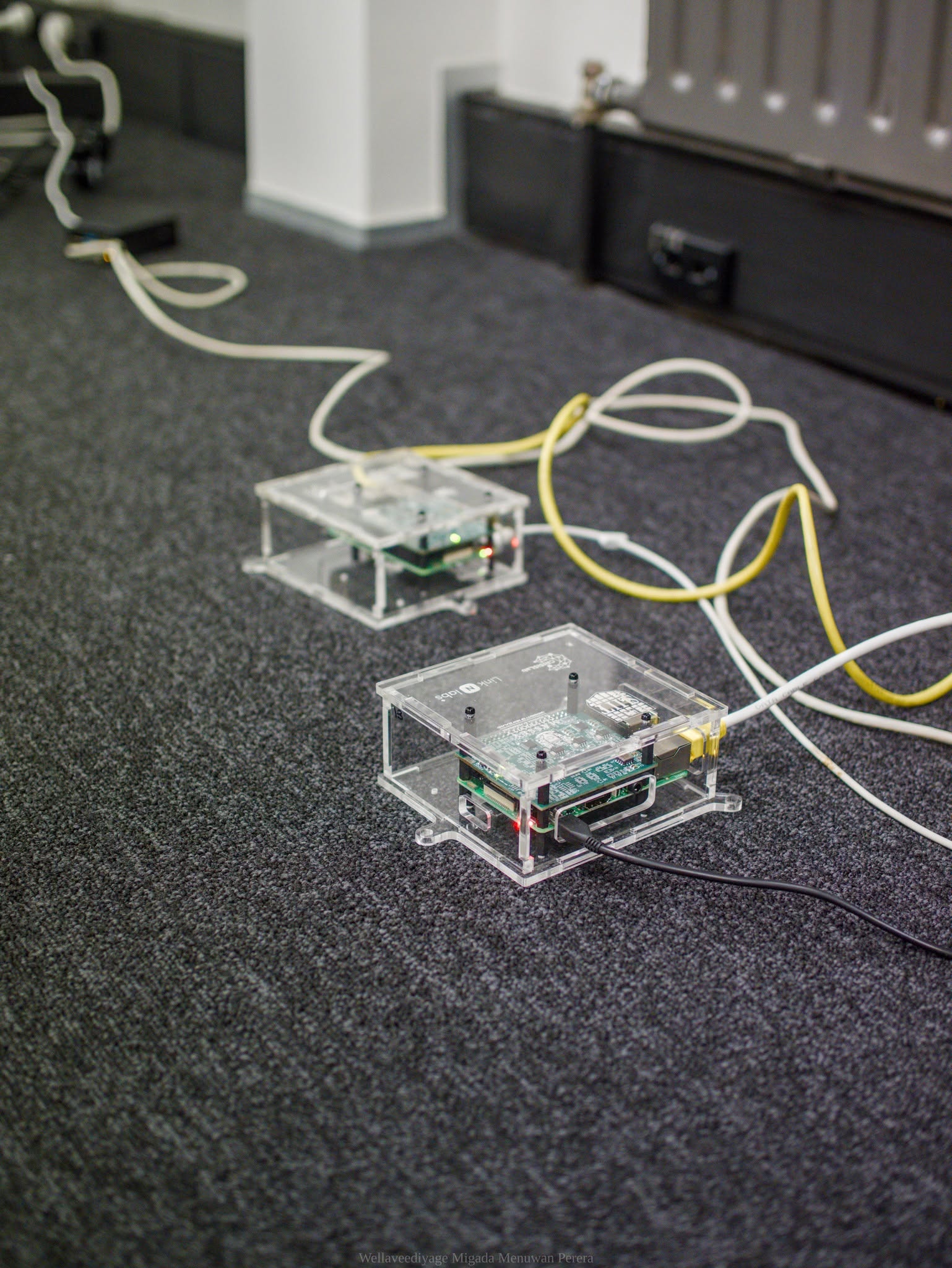
A low-cost Ground Motion Sensor, developed through a collaborative initiative involving CRISiSLab of Massey University, New Zealand; the Sri Lanka Institute of Information Technology (SLIIT); and LinkNLabs, New Zealand, was launched at the High Commission of Sri Lanka in Wellington on 14 October 2026.
The sensor has been designed to monitor ground movements associated with tremors, earthquakes, and similar natural hazards, with a view to supporting more accessible and affordable disaster-monitoring systems and contributing to early-warning capabilities.
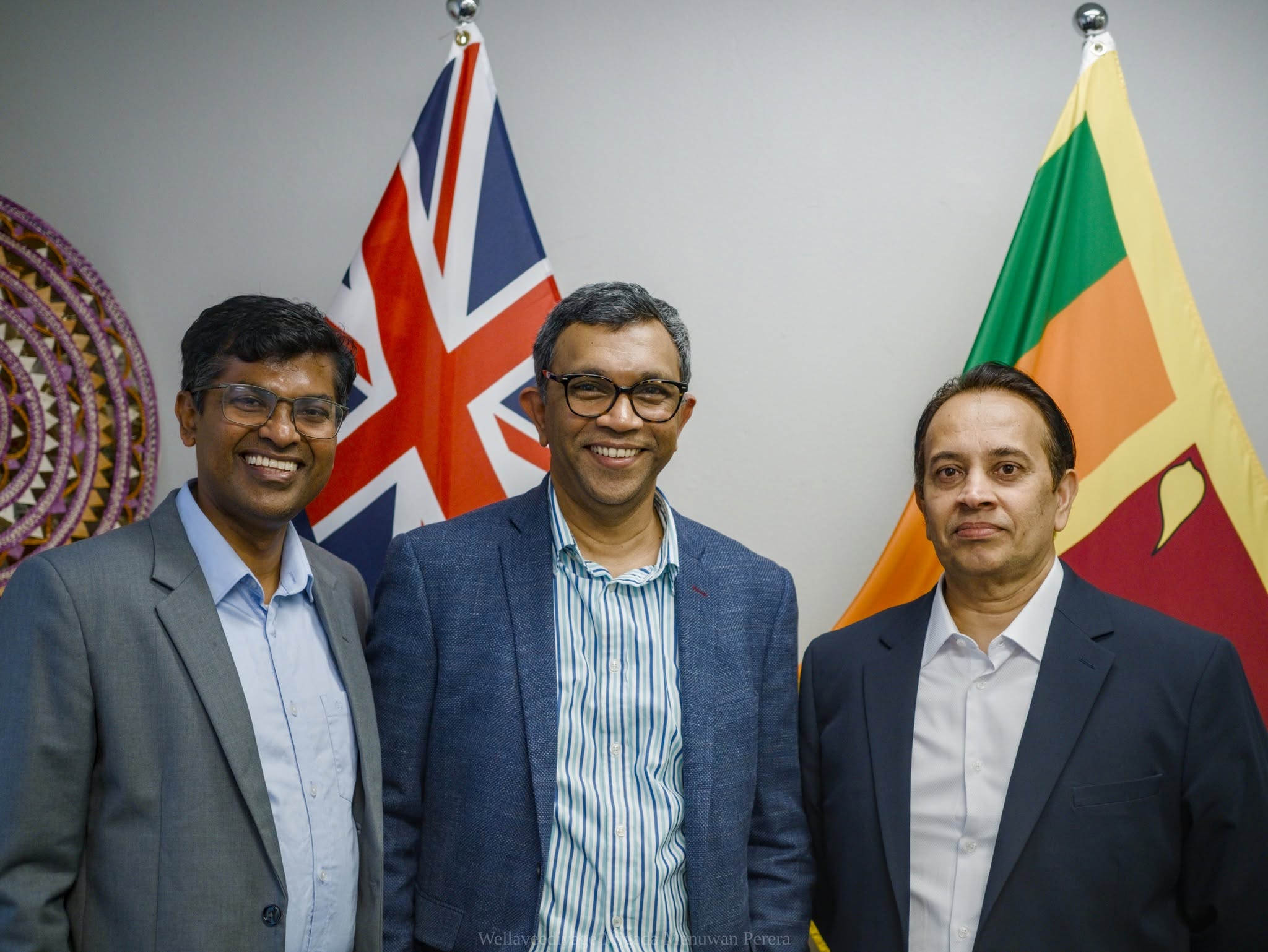
The initiative brought together the complementary expertise of three Sri Lankan professionals working across New Zealand and Sri Lanka: Associate Professor Raj Prasanna of CRISiSLab, Joint Centre for Disaster Research, Massey University; Professor Pradeep Abeygunawardhana of SLIIT; and Mr Nalin Manchanayaka of LinkNLabs, New Zealand. Their collaboration highlighted the potential of shared knowledge, research, and technological innovation to develop cost-effective, accessible, and resilient solutions for disaster monitoring.
The event commenced with a welcome address by Mr Prasanna Gamage, High Commissioner of Sri Lanka to New Zealand. Associate Professor Raj Prasanna outlined the motivation and background of the sensor development project, emphasising the importance of accessible ground-motion monitoring technologies in addressing disaster-related challenges. Professor Pradeep Abeygunawardhana presented the design and development of the sensor, while Mr Nalin Manchanayaka shared insights into the collaborative journey and discussed future opportunities arising from the initiative.
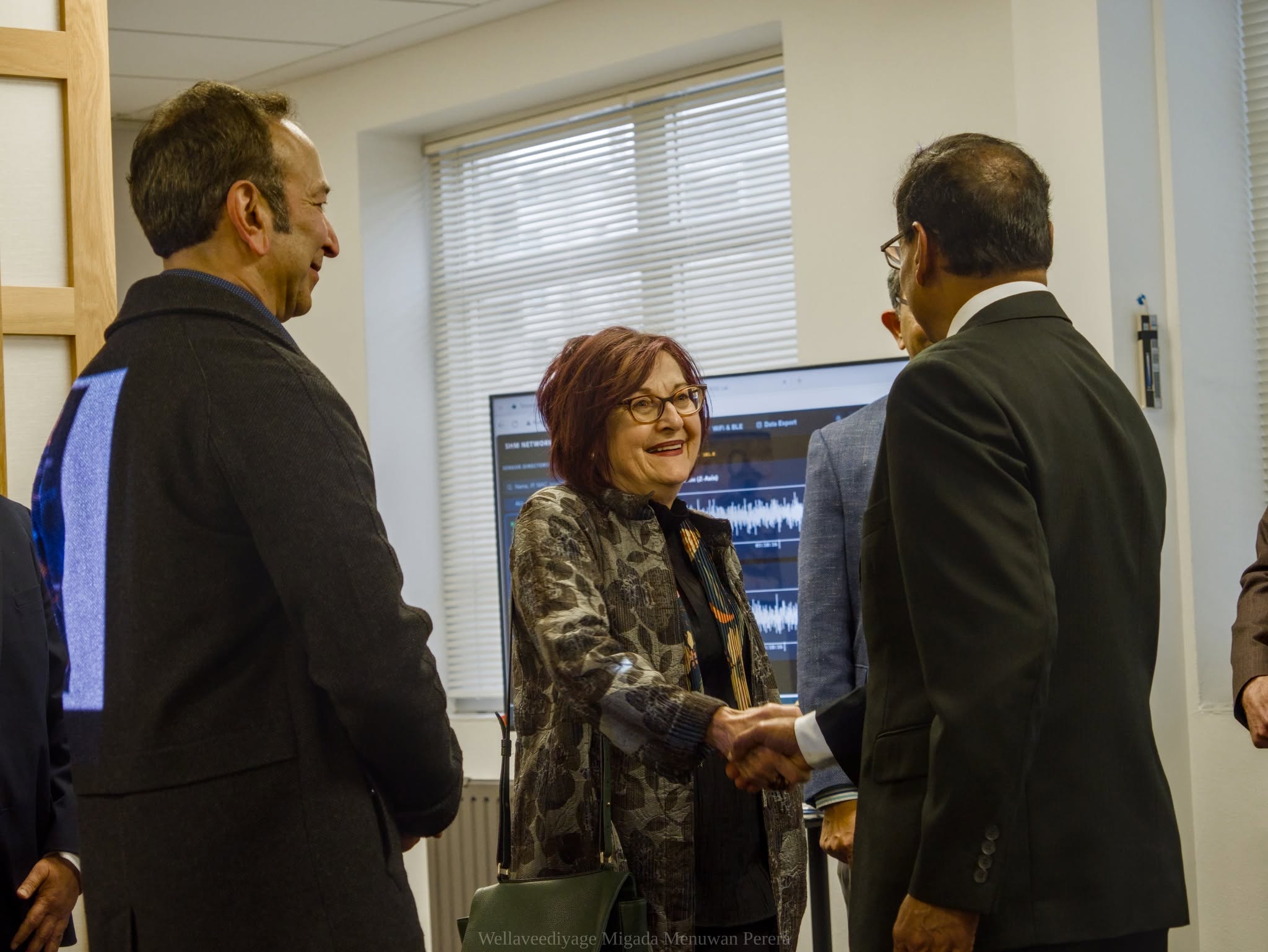
The gathering also acknowledged and appreciated the vital role played by Professor Cynthia White, Pro Vice-Chancellor of Massey University, in facilitating and supporting this collaborative effort.
The launch featured a live demonstration of the sensor, followed by an interactive discussion that enabled participants to engage with the three professionals and scientists from Massey University. The session provided an opportunity to gain a deeper understanding of the device’s operation, technical features, and potential applications in disaster monitoring.
The event was attended by members of the diplomatic corps, Professor Cynthia White, academics and scientists from universities, emergency management practitioners, industry representatives, researchers, and postgraduate students.
The High Commission of Sri Lanka is pleased to support initiatives that strengthen Sri Lanka–New Zealand relations, foster collaboration between research institutions and industry, and create new pathways for innovation with broader societal and international benefits. This initiative demonstrates how cross-border partnerships can harness shared expertise to advance technological development and contribute to more resilient communities.
High Commission of Sri Lanka
Wellington